Farmers in Zones A and B have started spreading slurry and fertiliser in earnest since the closed period ended. With higher grass covers than normal (many farms with an average farm cover in excess of 1,000kg/ha) finding suitable fields to spread on is a challenge. Slurry spreaders with a trailing shoe or an injector attached allow slurry to be safely spread (without contaminating the grass) on covers up to around 1,000kg/ha. A bit more contamination occurs with dribble bars, but it’s still a lot better than a splash plate. If using a splash plate you really shouldn’t spread slurry on covers above 500-600kg, as too much slurry will stick to the grass leaves. Best policy is to spread around one third of the farm with slurry now and spread the rest with 30kg/ha of nitrogen, or 23 units/acre of urea. Be careful agitating slurry, especially on damp, muggy days, when there isn’t much of a breeze. Remove all animals from the shed first. Open all doors and get as much air flowing through the shed as possible.
Costs
ADVERTISEMENT
The summary of the 2018 milk production year is that on a per kilo of milk solids basis, milk price was back 3%, feed costs were up 124%, total costs were up 15% and net profit was back 50%. It’s a serious drop in net profit in one year, especially considering that milk price only fell by 3%. Increasing feed costs had by far the biggest effect on profit. The conclusion from a recent discussion group was that a lot of farmers were exposed by not having a bank of feed in reserve – which is probably half a year’s supply. It was felt that having feed in the yard was preferential to having money in the bank, as there were periods during 2018 that money wouldn’t buy you silage. For me, it all boils down to stocking rate. The higher you are stocked the more feed you need to have in reserve, but also the harder it is to generate that feed in the first place. Most farms are over-stocked for the amount of grass they are growing and the type of system they are trying to run. Did cows have higher yields because they were fed more meal in 2018? Yes. Are farmers any better off as a result? No.
Once a Day
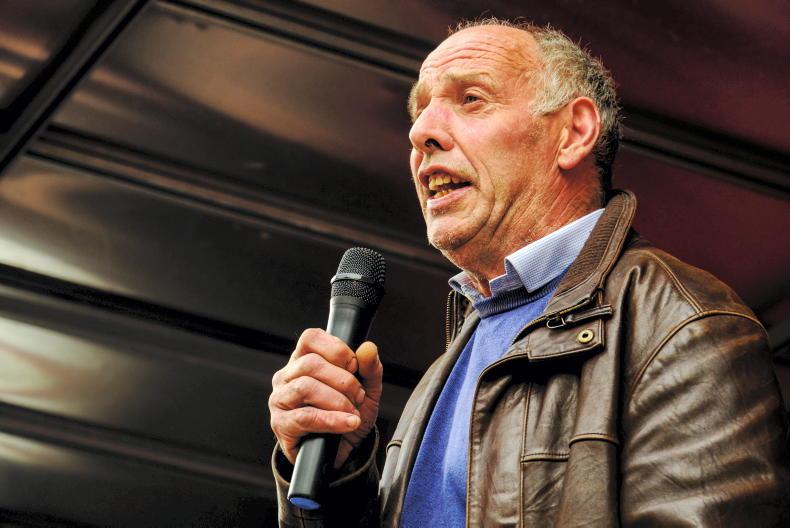
We report from the Once a Day (OAD) conference. Teagasc adviser Brian Hilliard has been spearheading OAD in Ireland. He says that farmers considering transitioning to OAD should keep a milk record for two or three years prior to OAD. This should be done to identify low yielders and high SCC cows. Cows with poor udders, poor teat placement and slow milkers are not suitable. He says you should milk OAD for the last two months in the year before going OAD. This will further identify cows that aren’t well suited. He recommends running at a higher replacement rate (35-40 heifers per 100 cows) for changing cows not suitable in the first few years. Another option is to buy good, suitable heifers from farmers already doing OAD milking.
Register for free to read this story and our free stories.
This content is available to digital subscribers and loyalty code users only. Sign in to your account, use the code or subscribe to get unlimited access.
The reader loyalty code gives you full access to the site from when you enter it until the following Wednesday at 9pm. Find your unique code on the back page of Irish Country Living every week.
CODE ACCEPTED
You have full access to the site until next Wednesday at 9pm.
CODE NOT VALID
Please try again or contact support.
Slurry
Farmers in Zones A and B have started spreading slurry and fertiliser in earnest since the closed period ended. With higher grass covers than normal (many farms with an average farm cover in excess of 1,000kg/ha) finding suitable fields to spread on is a challenge. Slurry spreaders with a trailing shoe or an injector attached allow slurry to be safely spread (without contaminating the grass) on covers up to around 1,000kg/ha. A bit more contamination occurs with dribble bars, but it’s still a lot better than a splash plate. If using a splash plate you really shouldn’t spread slurry on covers above 500-600kg, as too much slurry will stick to the grass leaves. Best policy is to spread around one third of the farm with slurry now and spread the rest with 30kg/ha of nitrogen, or 23 units/acre of urea. Be careful agitating slurry, especially on damp, muggy days, when there isn’t much of a breeze. Remove all animals from the shed first. Open all doors and get as much air flowing through the shed as possible.
Costs
The summary of the 2018 milk production year is that on a per kilo of milk solids basis, milk price was back 3%, feed costs were up 124%, total costs were up 15% and net profit was back 50%. It’s a serious drop in net profit in one year, especially considering that milk price only fell by 3%. Increasing feed costs had by far the biggest effect on profit. The conclusion from a recent discussion group was that a lot of farmers were exposed by not having a bank of feed in reserve – which is probably half a year’s supply. It was felt that having feed in the yard was preferential to having money in the bank, as there were periods during 2018 that money wouldn’t buy you silage. For me, it all boils down to stocking rate. The higher you are stocked the more feed you need to have in reserve, but also the harder it is to generate that feed in the first place. Most farms are over-stocked for the amount of grass they are growing and the type of system they are trying to run. Did cows have higher yields because they were fed more meal in 2018? Yes. Are farmers any better off as a result? No.
Once a Day
We report from the Once a Day (OAD) conference. Teagasc adviser Brian Hilliard has been spearheading OAD in Ireland. He says that farmers considering transitioning to OAD should keep a milk record for two or three years prior to OAD. This should be done to identify low yielders and high SCC cows. Cows with poor udders, poor teat placement and slow milkers are not suitable. He says you should milk OAD for the last two months in the year before going OAD. This will further identify cows that aren’t well suited. He recommends running at a higher replacement rate (35-40 heifers per 100 cows) for changing cows not suitable in the first few years. Another option is to buy good, suitable heifers from farmers already doing OAD milking.
If you would like to speak to a member of our team, please call us on 01-4199525.
Link sent to your email address
We have sent an email to your address. Please click on the link in this email to reset your password. If you can't find it in your inbox, please check your spam folder. If you can't find the email, please call us on 01-4199525.
ENTER YOUR LOYALTY CODE:
The reader loyalty code gives you full access to the site from when you enter it until the following Wednesday at 9pm. Find your unique code on the back page of Irish Country Living every week.








SHARING OPTIONS